Turner Veterinary Clinic News
It's Happy Healthy Cat Month
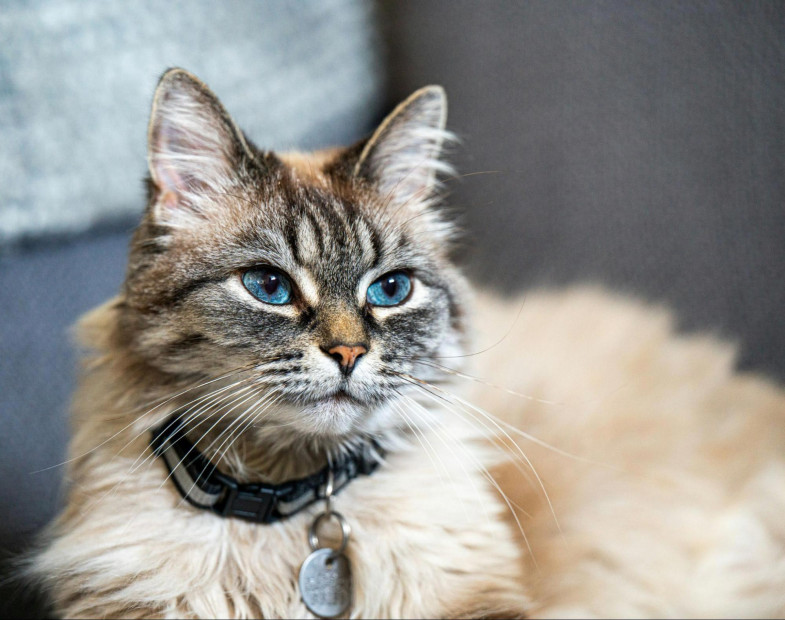
Although your cat probably thinks it should be every month, September is officially Happy Healthy Cat Month. The love and care you provide your cat makes a big difference in his longevity and overall well-being. Cats are wonderful companions who really ask for so little in exchange for the purrs, snuggles, and unconditional love. In honor of this special month, here are some things you can do to give your cat the happy life he deserves:
- Provide several places to sleep and hide throughout your home. Cats need a place to retreat when they feel fearful in addition to wanting privacy from time to time.
- Get your cat microchipped and provide her with a collar and identification tag. This greatly increases the chances of a happy reunion should she ever become separated from you.
- Feed your cat nutritious food, limit treats, and make him work for his food sometimes. Place it inside of a toy or in different places around the house to satisfy his natural hunting instinct. This also gives him much-needed exercise.
- Make sure your cat has plenty of toys and spend a few minutes each day playing with her. Cats are just as entertained batting at a piece of string as they are with an expensive toy from the pet store. Playing with your cat encourages exercise, mental stimulation, and the human-feline bond.
- Place scratching posts in a few different areas of your home to give your cat the chance to sharpen his claws as well as release the natural need to scratch. This saves your furniture too.
Regular Veterinary Care is the Most Important of All
A 2013 study by the American Association of Feline Practitioners indicates that more than half of all cats don't see the veterinarian regularly. Although more than 80 percent visit the vet during their first year of life, cat owners seem to only bring them in when they are sick or injured after that. At Turner Veterinary Clinic, we encourage all cat owners to schedule a physical exam at least once a year. This is important for early diagnosis, monitoring, and treatment of feline diseases as well as to track your cat's growth. Dr. Huelsbergen looks forward to seeing you and your cat soon.
An Immunized Pet is a Healthy Pet
It's August, which means that National Immunization Month is here. Just like people, animals need vaccines to protect them from the devastating effects of several contagious diseases. Keeping up with your pet's regularly scheduled vaccines is one of the most important things you can do to ensure her long-term good health. This is true even if she mostly stays inside. Many serious animal illnesses are spread through airborne contact, which means your pet could pick up a virus through an open window. Germs can also spread quickly among unvaccinated pets in places such as grooming salons, boarding kennels, and dog parks.
Essential and Optional Vaccines for Cats and Dogs
The feline distemper shot, also called the FVRCP, protects cats against the serious and highly contagious diseases of Feline Viral Rhinotracheitis, Calicivirus, and Panleukopenia. The canine distemper shot, also called the DHPP, protects your dog from Distemper, Hepatitis, Parainfluenza, and Parvovirus. Most states also enforce mandatory rabies vaccinations for both cats and dogs.
For cats, Dr. Huelsbergen may recommend a vaccine for Bordetella, Chlamydia, Feline Immunodeficiency Virus (FIV), Feline Infectious Peritonitis (FIP), and Feline Leukemia based on your cat's lifestyle, breed, and other factors. For dogs, he may advise you to get a vaccine for Bordetella, Canine Influenza, Canine Virus, Leptospirosis, or Lyme Disease. Dr. Huelsbergen always takes your feedback into consideration when making these recommendations.
Kittens and puppies should start their FVRCP or DHPP series between six and eight weeks of age. This involves getting the original dose followed by several boosters to ensure strong immunity. If your adult cat or dog is behind on his shots, we can get him caught up at Turner Veterinary Clinic. We are happy to discuss your pet's vaccination schedule at his next well visit exam, by phone, or through electronic messaging.
Pets Need Exercise Too
Did you know that July is National Recreation and Parks Month? Although this awareness campaign is directed at getting humans to exercise and enjoy the great outdoors, it's important to remember that pets also need physical activity. Besides keeping his weight at a healthy level, regular exercise helps to decrease digestive disorders, joint problems, diabetes, heart issues, and other serious health concerns for the animal member of your family.
Exercises for Dogs and Cats
Dogs who don't get enough exercise may engage in destructive behavior to burn off their excess energy. One easy way to make sure your dog gets enough physical activity is to take her for a walk each day. Throwing a ball in the park, swimming, or setting up an obstacle course in the backyard are additional ways to see to it that your dog has fun while getting the exercise she needs.
Cats are naturally less active than dogs and tend to prefer sleeping to movement, especially as they age. To ensure that your cat stays trim and healthy, set aside at least 15 minutes each day to play with him. Some favorite cat games include batting at string, chasing the light from a laser pointer, and pouncing on a toy mouse. Making the time to engage your cat in play also helps to increase your bond with him.
Ask Us for Diet and Exercise Recommendations
Please schedule an appointment with Dr. Huelsbergen before making any significant changes in your pet's diet or exercise routines. He will evaluate your dog or cat's current health and offer suggestions to get more exercise. If you're still stumped for how to get your pet moving more, remember that we stock a variety of toys for dogs and cats in the Turner Veterinary Clinic online store.
Categories
Recent Posts

Have you ever wondered how many caring hands are involved in your pet’s visit to the animal hospital? From the person who helps calm your nervous cat to the one carefully monitoring your dog during a procedure, veterinary technicians are right there, providing skilled care and plenty of compassion.

The backpacks are packed, alarms are ringing earlier, and suddenly the house is much quieter during the day. While families may be settling into a familiar school-year rhythm, pets can be left wondering where everyone went. Dogs and cats often become accustomed to summer routines filled with extra attention, playtime, walks, and companionship. When those routines change, some pets adapt quickly, while others may show signs of stress. Fortunately, a little planning and patience can make pet schedule changes easier and help your companion feel secure in the new routine.

The dog days of summer are here, and the hottest stretch of the year brings some real risks for pets. Between backyard barbecues, hikes, and long afternoons at the park, there's still plenty of season left to enjoy, but bee stings, tempting barbecue foods, and soaring temperatures are among the most common reasons pets need medical care this time of year.

Few things are more frightening for a pet owner than realizing their dog or cat has gone missing. Whether a gate was left open, a leash slipped loose, or an indoor cat darted out the front door, pets can become lost in an instant. While collars and ID tags are important, they can fall off or become damaged. That's why pet microchipping has become one of the most reliable ways to help reunite lost pets with their families.
If you've ever wondered what pet microchipping is or how it works, here's what you need to know.
You give your dog a bath and suddenly spot fleas. Or maybe you missed a dose of heartworm prevention and start to worry. Many pet owners find themselves asking the same question: Do I really need to give parasite prevention every month, or can I just treat problems if they show up?